
This post may contain affiliate links. Please read our disclosure policy.
Chipotle is one of the most popular fast casual restaurants in the country, and if you’ve ever wondered whether it actually counts as a healthy meal or whether you’re just telling yourself that, you’re not alone.
As a Registered Dietitian, my honest answer is: it depends entirely on what you order. Chipotle can absolutely be a nutritious, high protein, balanced meal. It can also be a 1,200 calorie, super high sodium situation without you realizing it. The difference comes down to how you build your bowl.
In this post I’ll break down exactly what’s in Chipotle’s most popular ingredients, what makes an order healthier or less healthy, what I actually order when I’m there, and how to build a bowl that works for your specific goals.
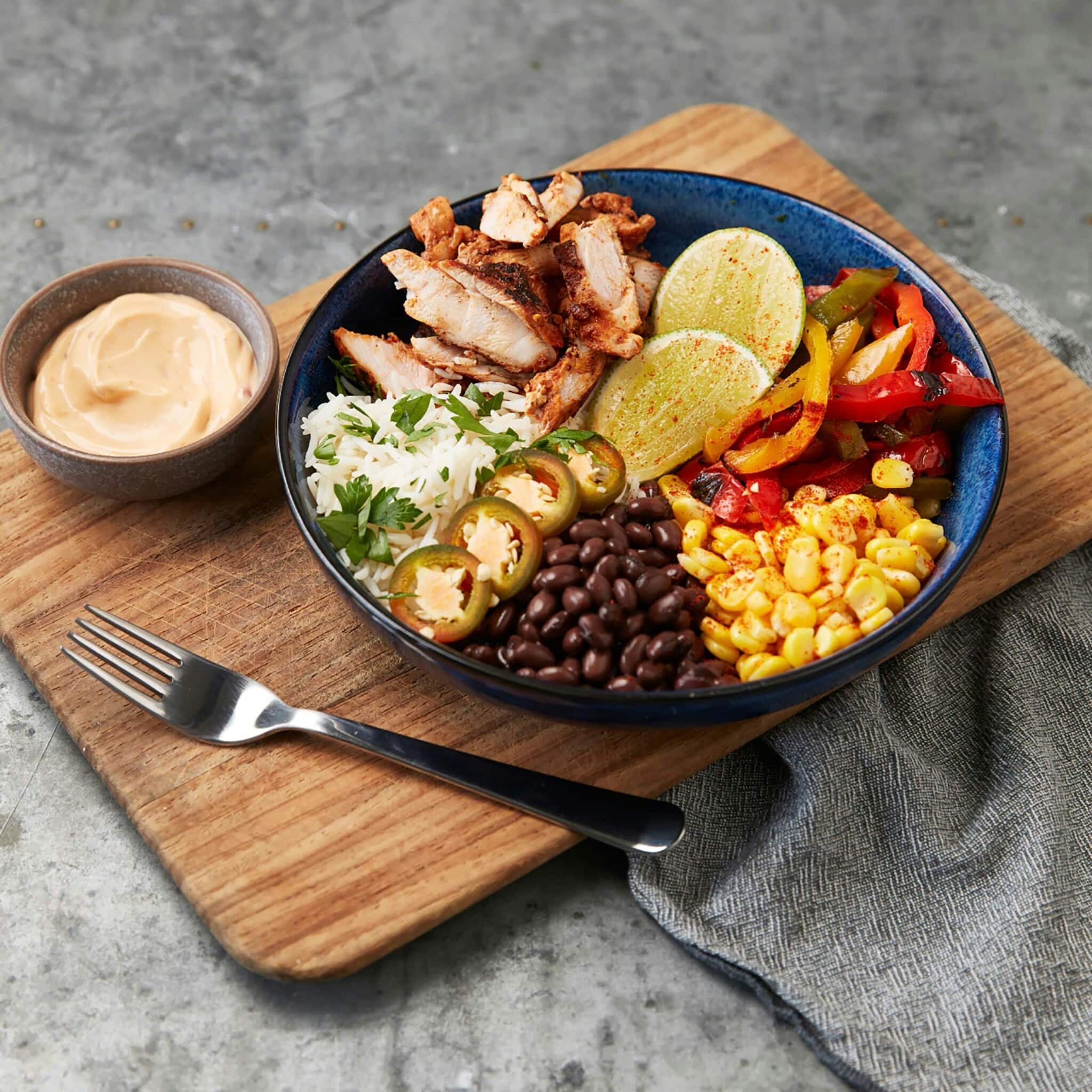
Is Chipotle Considered Fast Food?
Technically, Chipotle is classified as fast casual rather than traditional fast food.
Traditional fast food, think McDonald’s or Burger King, relies heavily on pre-made, processed ingredients that are assembled quickly. Fast casual restaurants like Chipotle prepare their ingredients fresh daily, use whole food components, and give you significantly more control over what goes into your meal.
That does not mean everything on the menu is healthy by default. Chipotle is not a health food restaurant. But the build-your-own format means the nutritional range is enormous, anywhere from a 420 calorie salad bowl to a 1,200 calorie burrito loaded with every topping. Where you land on that spectrum is almost entirely up to you.
The other meaningful difference is ingredient quality. Chipotle uses responsibly raised meats, no artificial colors or flavors, and no added preservatives. That does not automatically make it nutritious, but it does make it a cleaner starting point than most drive-through options.
Chipotle Nutrition Facts
Chipotle’s nutrition varies significantly depending on what you build. Here is a breakdown of the main components so you know what you’re working with before you order.
| Bases | Calories | Protein | Carbs | Fat | Sodium |
|---|---|---|---|---|---|
| Supergreens salad mix (3oz) | 15 | 1g | 3g | 0g | 15mg |
| Romaine lettuce (1oz) | 5 | 0g | 1g | 0g | 0mg |
| Cilantro-lime brown rice (4oz) | 210 | 4g | 36g | 6g | 190mg |
| Cilantro-lime white rice (4oz) | 210 | 4g | 40g | 4g | 350mg |
| Black beans (4oz) | 130 | 8g | 22g | 1.5g | 210mg |
| Pinto beans (4oz) | 130 | 8g | 21g | 1.5g | 210mg |
| Proteins | Calories | Protein | Carbs | Fat | Sodium |
|---|---|---|---|---|---|
| Steak (4oz) | 150 | 21g | 1g | 6g | 330mg |
| Barbacoa (4oz) | 170 | 24g | 2g | 7g | 530mg |
| Chicken (4oz) | 180 | 32g | 0g | 7g | 310mg |
| Sofritas (4oz) | 150 | 8g | 9g | 10g | 560mg |
| Carnitas (4oz) | 210 | 23g | 0g | 12g | 450mg |
| Toppings and Salsas | Calories | Protein | Carbs | Fat | Sodium |
|---|---|---|---|---|---|
| Fajita vegetables (2oz) | 20 | 1g | 5g | 0g | 150mg |
| Fresh tomato salsa (4oz) | 25 | 0g | 4g | 0g | 550mg |
| Tomatillo green chili salsa (2oz) | 15 | 0g | 4g | 0g | 260mg |
| Tomatillo red chili salsa (2oz) | 30 | 0g | 4g | 0g | 500mg |
| Roasted chili-corn salsa (4oz) | 80 | 3g | 16g | 1.5g | 330mg |
| Sour cream (2oz) | 110 | 2g | 2g | 9g | 30mg |
| Cheese (1oz) | 110 | 6g | 1g | 8g | 190mg |
| Guacamole (4oz) | 230 | 2g | 8g | 22g | 370mg |
| Queso blanco (2oz) | 120 | 5g | 4g | 9g | 250mg |
| Chipotle honey vinaigrette (2oz) | 220 | 1g | 18g | 16g | 850mg |
A few things worth noting from the tables:
- Protein is one of Chipotle’s biggest strengths. Chicken leads the menu at 32 grams per serving, but black beans and pinto beans add another 8 grams each, meaning a bowl with chicken and beans can easily hit 40 plus grams of protein in a single meal.
- Fiber is another genuine win. Black beans have 7 grams of fiber per serving, pinto beans have 8 grams, and brown rice adds another 2 grams. Combined with fajita veggies and a greens base you can build a bowl with 12 or more grams of fiber which is significant for a fast casual meal.
- Healthy fats come primarily from guacamole, which adds 22 grams of mostly monounsaturated fat per serving. It’s a bit higher in calories but is genuinely nutritious and worth adding if you enjoy it.
- Sodium is the one area worth paying attention to. The chipotle honey vinaigrette has 850mg per serving and fresh tomato salsa adds another 550mg. Getting the dressing on the side and swapping fresh tomato salsa for tomatillo green chili salsa are the two easiest ways to bring your total sodium down without giving up flavor.
Nutrition data is based on Chipotle’s official nutrition information dated October 2024 and may vary by location or if Chipotle updates their recipes. For the most current figures visit chipotle.com/nutrition-calculator.
What To Know Before Ordering At Chipotle
The good news about Chipotle is that building a genuinely healthy meal is actually pretty straightforward once you know a few basics.
- Start with a bowl or salad base. Skipping the tortilla is the single easiest way to keep your meal balanced. The burrito tortilla adds 320 calories and 600mg of sodium before you have added anything else. A bowl or salad gives you the same fillings with a much lighter foundation.
- Choose chicken for the most protein. Chicken has 32 grams of protein per serving and is one of the lower sodium proteins on the menu at 310mg. If hitting your protein goals is a priority, it is the clear choice.
- Load up on veggies. Fajita veggies, romaine lettuce, and the supergreens mix are all extremely low in calories and add real nutritional value. Piling these on is one of the easiest ways to make your bowl more filling and more nutritious without adding much at all.
- Be mindful of the dressing and salsas. The chipotle honey vinaigrette is delicious but has 850mg of sodium per serving. Asking for it on the side lets you control how much you use. Fresh tomato salsa is also higher in sodium at 550mg. Swapping it for tomatillo green chili salsa saves nearly 300mg of sodium in one simple swap.
Chipotle also allows you to customize beyond the standard build. Asking for double protein significantly boosts your protein intake, though it does come at an extra cost. You can also ask for extra fajita veggies or extra lettuce at no charge, which is an easy way to add more volume and nutrients to your bowl without spending more.
Chipotle Orders By Goals
There is no single right answer at Chipotle, but here are a few approaches depending on what you are going for.
- If you want a high protein bowl. Start with a bowl base, add chicken, black beans, fajita veggies, and tomatillo green chili salsa. Skip the rice if you want to keep carbs lower, or add half a portion of brown rice for more staying power. You are looking at around 350 to 450 calories with 40 or more grams of protein depending on your add-ons.
- If you just want a nutrient-dense meal. Build a bowl, salad or burrito with whatever protein you like, black beans, fajita veggies, brown rice, and whatever salsa sounds good to you. Add guacamole if you are in the mood. That combination gives you protein, fiber, healthy fats, and complex carbohydrates in one meal without having to think too hard about it. That is really the whole point of Chipotle done right.
- If you want a lower calorie meal. Go with a greens salad base, chicken, fajita veggies, tomatillo green chili salsa, and romaine lettuce. Ask for the dressing on the side and use a light pour. Add a full portion of either rice or beans for staying power. With rice you are looking at around 450 to 550 calories, with beans closer to 350 to 370 calories and an extra 8 grams of protein on top.
- If you’re watching sodium. The honest truth is that Chipotle runs high in sodium across the board, so if sodium is a serious medical concern for you, it is worth knowing that going in. That said, there are ways to minimize it. Choose brown rice over white, tomatillo green chili salsa instead of fresh tomato salsa, skip the dressing entirely or use just a very light drizzle, and load up on fajita veggies and romaine for volume. Building this way you can get your total closer to 1,100 to 1,200mg, which is still significantly less compared to a fully loaded order that can exceed 2,500mg.
- If you’re vegetarian. Black beans and pinto beans are both solid protein sources at 8 grams per serving. Sofritas is the plant based protein option at 150 calories though it is higher in sodium at 560mg. Combining sofritas with black beans, fajita veggies, brown rice, and tomatillo green chili salsa gives you a well-rounded vegetarian bowl with around 20 grams of protein.
What I Actually Order At Chipotle
My go-to Chipotle order is a salad bowl with chicken, black beans, half a portion of white rice, fajita veggies, fresh tomato salsa, romaine lettuce, and the chipotle honey vinaigrette on the side. If I’m in the mood I’ll add cheese or guacamole, but that’s the base order.
It comes out to around 590 calories and 44 grams of protein which I think is a really solid nutritional profile for a meal you can grab in five minutes on a busy weeknight.
The sodium definitely runs higher than I would like, largely because of the fresh tomato salsa and the dressing. If sodium is something you are actively managing, swapping the fresh tomato salsa for tomatillo green chili salsa and going light on the dressing makes a meaningful difference.
The dressing on the side is non-negotiable for me. The chipotle honey vinaigrette is delicious but at 850mg of sodium for a full serving, using half is an easy way to keep things more balanced without giving up the flavor that makes the salad worth eating.
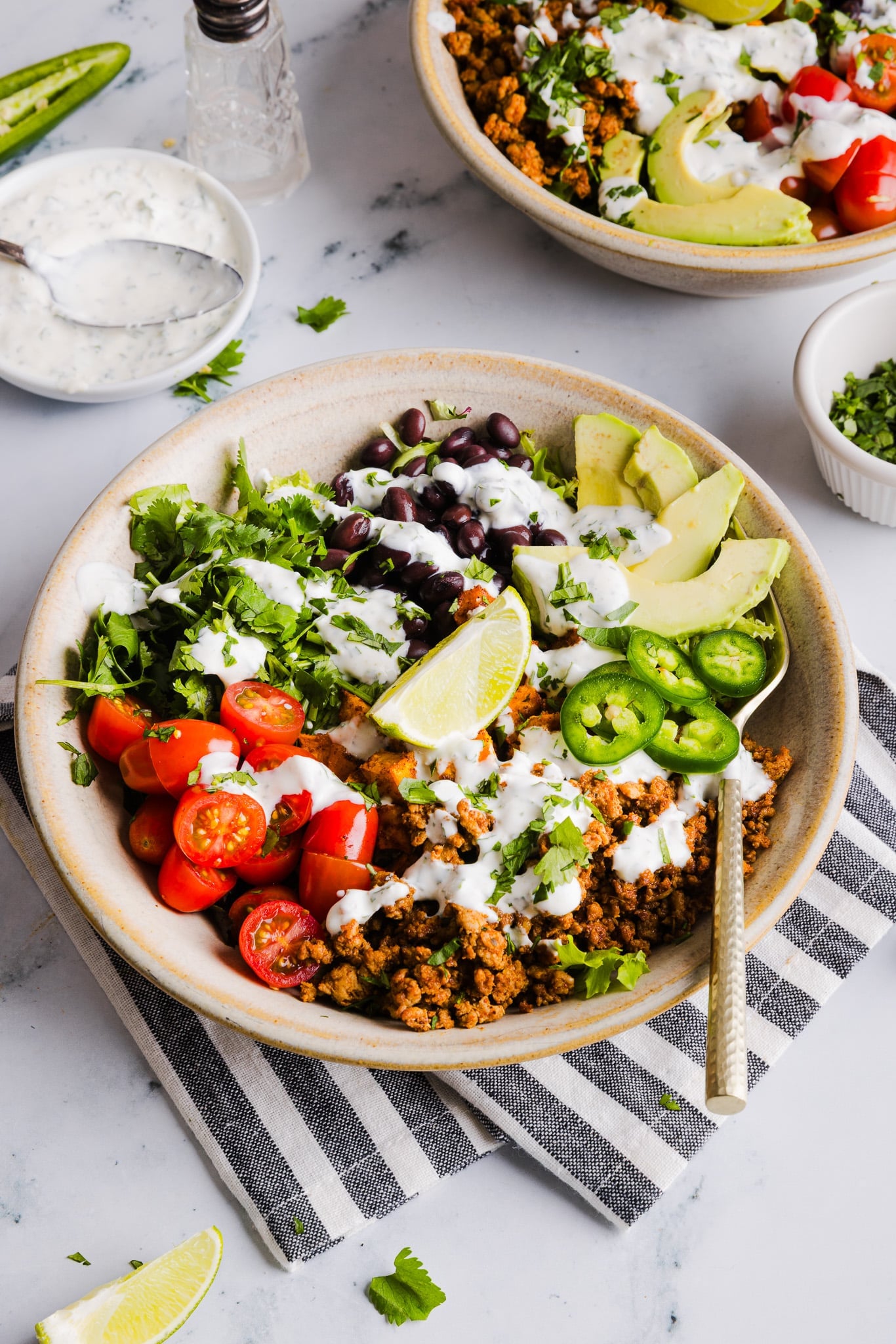
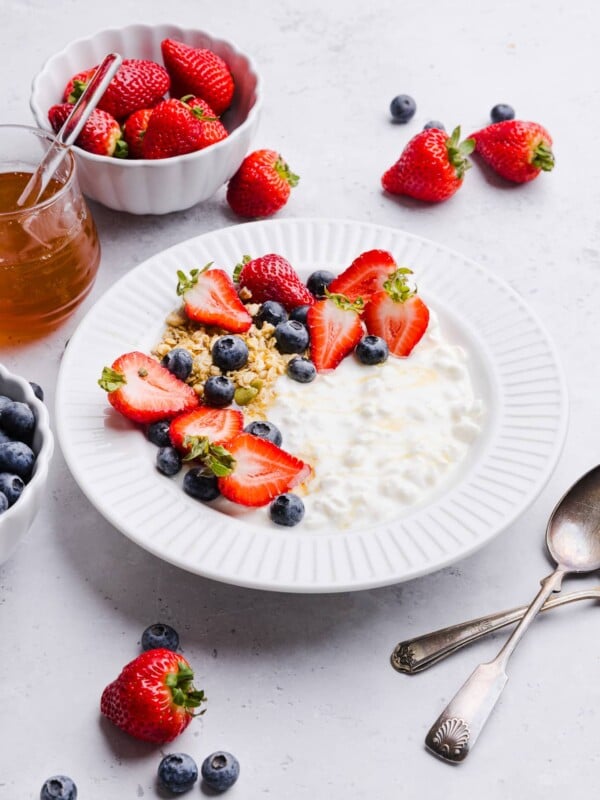
And when I’m in the mood for Chipotle but would rather eat at home? I make my Sweet Potato Taco Bowls or my Cottage Cheese Taco Bowl!
How Much Does Chipotle Cost?
A typical Chipotle bowl or salad runs between $10 and $15 depending on your protein and location, and adding extras like drinks and guacamole will bump that up more. So you’re generally looking at $14 to $20 for a full meal. Prices vary by location and are subject to change.
For the quality and quantity of food you’re getting it’s a little pricey, but reasonable for fresh ingredients. And unlike a lot of fast casual options, one Chipotle bowl is genuinely filling enough that you do not need to order anything extra to walk away satisfied.
Commitment To Ingredient Quality
One thing that genuinely sets Chipotle apart from most fast food and even some fast casual chains is their Food with Integrity mission. In practice this means:
- Responsibly raised meats with no added hormones or antibiotics
- No artificial colors, flavors, or preservatives in any menu item
- Organic and locally sourced produce where possible
- Non-GMO ingredients in their food, though their meat and poultry are raised on conventional feed
This does not automatically make every menu item healthy, but it does mean the starting ingredients are cleaner than what you would find at most quick service restaurants. For anyone trying to eat well without overthinking every meal, that foundation matters.
Frequently Asked Questions
Chipotle can absolutely be a healthy meal, but it depends entirely on how you build your order. A well built bowl or salad with chicken, beans, vegetables, and a light hand on the dressing can be a high protein, fiber rich, balanced meal. A fully loaded burrito with all the toppings can exceed 1,200 calories and 2,500mg of sodium. The customization that makes Chipotle great is also what gives you full control over how nutritious your meal is.
Yes, when ordered thoughtfully. Chipotle uses responsibly raised meats, no artificial colors or flavors, and no added preservatives, which makes it a cleaner option than most fast food. The menu also gives you access to genuinely nutritious ingredients like beans, fajita veggies, and fresh salsas that you would not find at a traditional fast food restaurant.
Chipotle is technically classified as fast casual rather than fast food. The distinction matters because fast casual restaurants like Chipotle generally use fresher, less processed ingredients than traditional fast food chains and give you significantly more control over what goes into your meal. That said the convenience and price point are similar, which is part of what makes it such a practical option for busy people.
It can be. A salad or bowl base with chicken, beans, fajita veggies, and a light pour of dressing on the side can come in around 350 to 500 calories with high protein and fiber to keep you full. Skipping the tortilla, going light on the dressing, and loading up on vegetables are the most effective ways to keep calories in check without feeling deprived.
It varies significantly depending on what you order. The chipotle honey vinaigrette alone has 850mg of sodium per serving, and fresh tomato salsa adds another 550mg. A well built lower sodium bowl with brown rice, chicken, black beans, tomatillo green chili salsa, and dressing on the side can stay around 1,100-1,200mg of sodium. A fully loaded bowl or burrito can easily exceed 2,000mg. Asking for dressing on the side and choosing tomatillo green chili salsa over fresh tomato salsa are the two easiest ways to bring sodium down significantly.
Start with a bowl or salad base instead of a burrito tortilla, choose chicken for the most protein, and load up on fajita veggies and beans. Ask for the dressing on the side if you are ordering a salad, and consider swapping fresh tomato salsa for tomatillo green chili salsa to bring the sodium down. Those four swaps alone make a meaningful difference without giving up any of the flavor that makes Chipotle worth eating in the first place.
That’s A Wrap
So is Chipotle healthy? Yes, it genuinely can be. It is one of the better fast casual options out there, with fresh ingredients, responsibly raised proteins, and a build-your-own format that gives you real control over what ends up in your meal.
The key is knowing what you are building. A Chipotle bowl can be an incredibly balanced, high protein meal that fits into any healthy eating goal. A fully loaded burrito with all the toppings is a very different story nutritionally (but still okay to order sometimes!). The good news is that with a little awareness you can enjoy Chipotle regularly without stressing about it.
If you are looking for more of my honest takes on popular restaurants and foods, here are a few you might like:











Great breakdown! I love that you included the actual numbers – the 32g protein in chicken vs 8g in beans really puts it in perspective. I’ve been comparing different Chipotle bowl builds and found you can go from 25g to 50g+ protein with just a few swaps (https://www.chipotlenutritioncalculator.io/blog/chipotle-protein-comparison-complete). Your 44g protein go-to order sounds perfect – I’m going to try that exact build next time!