
This post may contain affiliate links. Please read our disclosure policy.
Celsius is everywhere right now, and if you’re wondering whether it’s actually good for you or just really good marketing, you’re not alone. As a Registered Dietitian, I get this question constantly.
The short answer: Celsius isn’t bad for most healthy adults when consumed in moderation. But there’s a lot more to it than that, and the claims on the can deserve a closer look.
In this post I’ll break down exactly what’s in Celsius, whether the health claims hold up, who should avoid it, and how it compares to just drinking a cup of coffee.
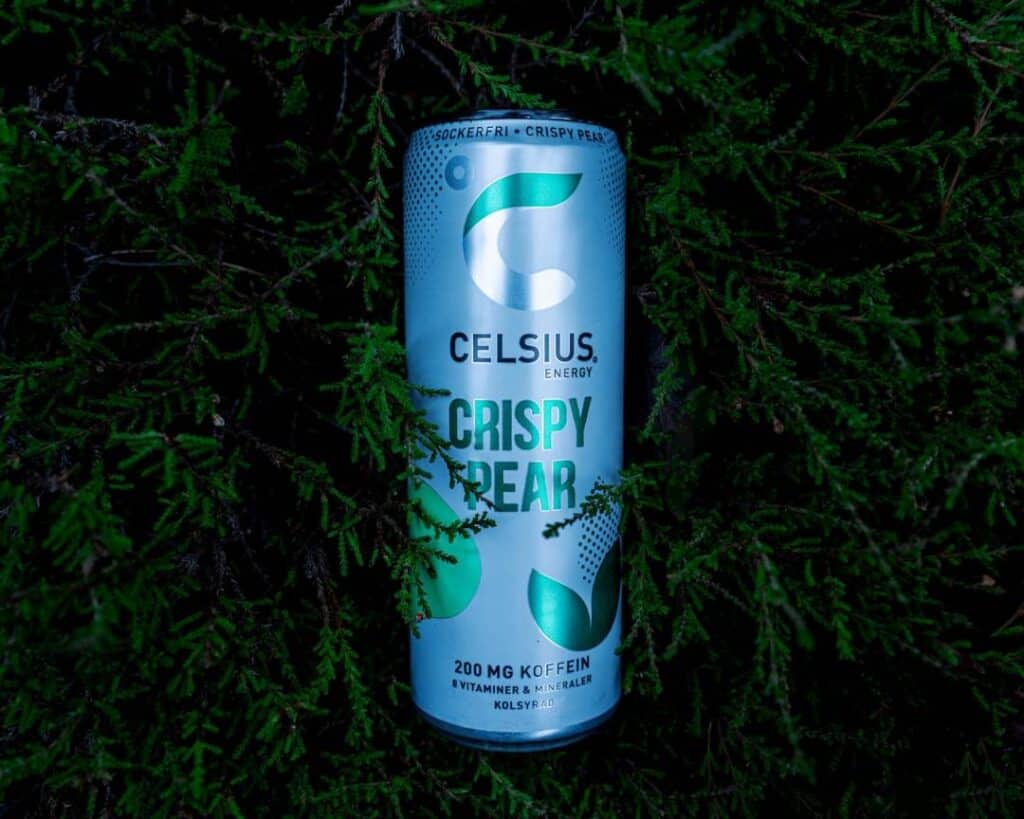
What is a Celsius energy drink?
Celsius is a popular energy drink with a long list of ingredients and some bold health claims. Celsius claims to give you energy, accelerate your metabolism and burn body fat right on the can.
Among the ingredients are green tea extract, guarana seed extract, caffeine, taurine, glucuronolactone, ginger extract, and green tea leaf extract.
Before we get into the details, here’s a quick look at how Celsius compares to some of the most popular energy drinks and coffee:
| Celsius (12 oz) | Coffee (8 oz) | Alani Nu (12 oz) | Prime Energy (12 oz) | Sugar Free Red Bull (8.4 oz) | |
| Calories | 10 | 5 | 10 | 10 | 10 |
| Sugar | 0g | 0g | 0g | 0g | 0g |
| Caffeine | 200mg | 95mg | 200mg | 200mg | 80mg |
| Artificial sweetener | Yes | No | Yes | Yes | Yes |
| Proprietary blend | Yes | No | No | No | No |
The biggest takeaway here is that Celsius, Alani Nu, and Prime all contain the same amount of caffeine, more than double what you’d get from a standard cup of coffee or a Sugar Free Red Bull. Where Celsius stands apart from the others is the proprietary blend, meaning we don’t know exactly how much of each ingredient is in the can. We’ll get into why that matters below.
What’s in it?
Celsius drinks have 10 calories, most have zero grams of carbohydrates and a can has between 200-270mg of caffeine. There’s also vitamin C and several B vitamins.
- Green tea extract. Green tea leaf extract offers caffeine for an energy boost. Green tea extract does come with some potential health benefits mostly because it’s high in antioxidants.
- Guarana seed extract. Guarana is a plant from the Amazon rainforest that contains caffeine and other active compounds. It’s rich in caffeine (seeds have 2x the caffeine concentration of coffee beans) which adds to the boost of energy and alertness that you get from Celsius. It’s a very common ingredient in energy drinks.
- Ginger root. Ginger or ginger extract has potential anti-inflammatory properties and can also support digestion.
- B vitamins. B vitamins don’t give you energy directly, but they’re part of the process of getting the energy that comes from carbs, fats, and protein. If you’re deficient in these vitamins, taking a supplement might give you a quick energy boost. If your body has enough, additional supplements aren’t going to do much.
- Taurine. An amino acid commonly added to energy drinks. It plays roles in hydration, immune function, and digestion. But since your body makes enough on its own, supplementation isn’t usually necessary.
- BCAAs (L-Isoleucine and L-Leucine). Celsius also includes some branched-chain amino acids for fitness appeal, as they play a role in muscle recovery and exercise support.
- Glucuronolactone. A naturally occurring compound found in the body that is commonly added to energy drinks. Some small studies suggest it may support alertness and mental performance when combined with caffeine, but the research is limited and the dose in Celsius is unknown due to the proprietary blend.
Caffeine In Celsius
Celsius Energy Drinks vary in their caffeine content, and range between 200-270 milligrams of caffeine per can. That’s significantly more caffeine than a typical cup of coffee (about 95 milligrams) and even some other energy drinks like Red Bull (80 milligrams).
Keep in mind though that when we are talking about a cup of coffee, we’re talking about a true, 8 oz cup of coffee. Most of the mugs in our kitchens are WAY bigger than that, and what you’re grabbing from Dunkin’ or Starbucks are often much bigger too (a grande cup of coffee at Starbucks is 314-390mg according to their site).
Even so, the high caffeine content in Celsius drinks might be too much for those with caffeine sensitivity. If you’re drinking other caffeine sources (coffee, tea, soda) in addition to these energy drinks, you’re looking at potential side effects like shakiness, headaches, fast heart rate, and anxiety from excessive caffeine consumption.
Sweetener In Celsius
These energy drinks have no added sugar, but they do use artificial sweeteners, specifically sucralose in most of them. They have a line that uses stevia too, if sucralose isn’t your thing.

Is drinking Celsius good for you?
Right on the front of the can Celsius claims to provide “essential energy, accelerates metabolism, and burns body fat”. Let’s look at whether those claims actually hold up.
Does Celsius Boost Your Metabolism?
Celsius may actually boost your metabolism a bit. There’s a small study from 2010 that explored how Celsius impacted sedentary men in their experience with exercise. Basically, the group of men was either given Celsius to drink or a placebo drink and instructed to exercise or not for ten weeks.
The study found that the men who exercised and drank Celsius had more improvement in their physical fitness than the men who did not have Celsius.
That’s definitely interesting, but it’s important to note that your metabolic rate is impacted by a lot of different things, and an energy drink is likely not the cure.
Does Celsius Improve Performance?
Yes, a bit, but this is not unique to Celsius.
Any time you have some caffeine prior to exercising, your performance may increase a little and your pain tolerance may be higher as well.
So if you’d rather have a cup of coffee as your “pre-workout” , that’s a reasonable choice that might cost less than Celsius and have less added ingredients, too.
It’s worth noting that the studies are small and company-funded. More independent research is needed to back up the claims on the can.
The big picture is that your health and physical fitness is impacted by all of the choices you make every single day, not just a single drink or supplement.
Are Celsius drinks bad for you?
For most healthy individuals (healthy adults, not kids), Celsius is likely okay in moderation.
But it’s important to note that there’s a pretty high amount of caffeine in all Celsius drinks. The can even comes with the warning “Do not exceed (2) servings per day. Not recommended for people who are caffeine-sensitive. Children under 18, or women pregnant or nursing.”
If you have any health conditions, especially heart conditions, I’d pass. Either way, it’s always a good idea to check with your doctor before adding in any type of caffeinated drinks or supplements that have proprietary blends (especially if you have health issues).
The biggest piece of missing information is not just what is in the can, but how much.
Does Celsius cause liver damage?
This is a question I’ve been seeing more often and it deserves a straight answer.
For most healthy adults drinking Celsius in moderation, liver damage is not a significant concern. According to the NIH’s LiverTox database, the liver-related cases linked to green tea extract in the medical literature are almost exclusively tied to concentrated supplements taken in very high doses over long periods of time, not the amount found in an occasional energy drink.
Celsius does contain green tea extract, though the exact amount is unknown due to the proprietary blend. If you’re having one can here and there, the risk is probably very low. If you’re drinking multiple cans every day or stacking Celsius with other supplements that also contain green tea extract, that’s worth being more mindful of, and a conversation with your doctor makes sense.
The honest answer is that more research is needed. As with most things in nutrition, context and moderation matter more than any single ingredient.
What Does Proprietary Blend Mean?
We’ve covered what some of the main ingredients are in Celsius energy drinks but we haven’t yet covered one important factor in determining how well an energy drink can boost your metabolism or athletic performance: how much of these ingredients are in each can?
What should be a simple answer, isn’t.
In short: we don’t know how much of these ingredients are in the can because they’re a “proprietary blend” which means that the manufacturer keeps their secret recipe, well, a secret.
This helps to prevent other companies from mimicking their product, but it also prevents us from knowing if these drinks are actually safe or effective for what they claim to do.
That means we know that yes, there is ginger in the can, but is it actually enough to have any meaningful impact on your body’s inflammatory response? We can’t say, because we don’t know if the dose of ginger is enough.
How Much Is Too Much?
Follow the can’s warning: Celsius advises no more than two 12-oz cans per day, or one Essentials. Not recommended for kids, pregnant or nursing individuals, or those sensitive to caffeine. Be mindful of additional caffeine sources throughout the day.

What About That Lawsuit?
Celsius settled a class action lawsuit related to labeling. They have marketed their drinks as “preservative free” but they do include citric acid, which is a preservative.
Celsius’ position is that the ingredient is not included in the drink as a preservative, but rather as a flavoring. But regardless, it is a preservative, even if they aren’t adding it for that purpose. Citric acid is incredibly common in our foods and drinks.
Celsius has now updated its labeling with a note after its ingredient list stating that the citric acid is there for flavoring, not as a preservative.
In the end I don’t see this as a big deal, but it does highlight how many brands choose to market their products to be the most appealing, even if it’s a little bit confusing to consumers.
The Bottom Line On Celsius
I completely understand the desire for a quick fix when it comes to health and weight management. Marketers know that too, which is why they’re so creative and careful in how they promote products.
The truth is, there are no magic solutions when it comes to health. Your health is the sum of all of your habits, not any single drink or supplement.
This is actually good news. There’s wiggle room in a healthy lifestyle to enjoy things like Celsius. Health and wellness isn’t all about deprivation or forcing yourself to eat foods you don’t like. We get to enjoy what we eat and drink too.
If Celsius is something you enjoy, the caffeine boost fits your lifestyle, and it fits your budget, go for it in moderation. If you’d rather get your caffeine from coffee and skip the extra ingredients and the price tag, that’s a completely reasonable choice too. You don’t need it to improve your metabolism or your workouts.
Frequently Asked Questions
Celsius isn’t bad for most healthy adults when consumed in moderation. It’s a high caffeine energy drink with 200mg of caffeine per can, which is more than double a standard cup of coffee. For healthy adults without caffeine sensitivity or heart conditions, one can occasionally is generally considered safe. It’s not a health drink, but it’s not something to panic about either.
Most Celsius cans contain 200mg of caffeine per 12 oz serving. The Celsius Essentials line contains 270mg per can. For context, the FDA recommends healthy adults consume no more than 400mg of caffeine per day, so one standard can of Celsius accounts for half of that daily limit before you factor in any other caffeine sources like coffee or tea.
For most healthy adults, one Celsius per day is within safe caffeine limits as long as you’re not consuming significant amounts of caffeine from other sources. That said, daily high caffeine intake can disrupt sleep, increase anxiety and create dependence over time. It’s worth asking yourself whether you’re using it to compensate for poor sleep or low energy rather than as an occasional boost.
Not necessarily. Coffee is a simpler, less expensive source of caffeine with no artificial sweeteners, no proprietary blend, and decades of research behind it. Celsius has more caffeine than a standard cup of coffee and a longer ingredient list with unknowns due to the proprietary blend. If caffeine is what you’re after, coffee is a perfectly reasonable and often cheaper alternative.
Celsius is not recommended for children under 18, pregnant or nursing women, people with caffeine sensitivity, or those with heart conditions. If you have any health conditions or take medications, check with your doctor before adding any high caffeine drink or supplement to your routine.
The evidence is limited. There is a small 2010 study showing that men who exercised and drank Celsius had slightly better fitness improvements than those who did not, but the study was small and funded by the company. Any metabolism boosting effect is modest at best and not a substitute for consistent nutrition and exercise habits.
That’s a Wrap
Celsius isn’t a weight loss miracle or a metabolism-boosting magic drink. But it’s also not something most healthy adults need to stress about.
If you enjoy it, the caffeine works for your lifestyle, and it fits your budget, go for it. Just keep tabs on your total caffeine intake for the day, especially if you’re also having coffee or other caffeinated drinks.
And if you’d rather stick with a good old cup of coffee? That’s a completely valid choice that might cost you less and come with fewer ingredients.
If you’re looking for more of my honest takes on trending products, here are a few you might like:














All of these so called energy drinks should have a health warning on them.
EXACTLY! I guess I’m not positive. But, I am pretty darn sure it damaged my brain that went through surgery long ago for epilepsy. I hardly know what epilepsy is now. But Celsius has brought about light-headedness and many other negatives. It doesn’t exist now to me. I won’t take chances on any other “energy” drinks!
99.99% of them do have warnings for children, pregnant women and those with sensitivity to caffeine.
I really enjoyed your article and the thoroughness of what you covered. I do enjoy the Celsius drinks. I’m in good shape and have no health issues. I usually drink maybe two or three a week kind of like a treat. Usually during the middle of the day as I did notice if I drink one in the early evening It did seem to keep me awake once I was ready to go to bed. I don’t drink coffee and I don’t drink pop too often or tea that often either. I sweeten stuff with stevia So I will be looking to see what types might contain that as opposed to sucralose. Anyway, just wanted to say thanks for the great article
Awesome description and explanation. Thank you.
Hi
I love this.
Very informative review.
Thak you for sharing=
Celsius disgusts me. Maybe it has to do with some medications that I take. But, I believe it has damaged my brain. I wish that I would have known that would occur before drinking something that has a great flavor. That’s the only positive. If only I had known to ask my neurologist if I could drink it since I’ve had brain surgery. I already have a high metabolism and am sensitive in all ways (physically, mentally, and emotionally). It damaged my brain cells because my cognitive function is weaker with it causing confusion and lack of concentration. It has even brought about extreme light-headedness. Not sure if it’s a sensitivity to caffeine, it supposedly being a metabolism booster, both, or whatever else could bring about the negatives. No more Celsius poison for me!!!!!!
Great review of Celsius drink!
HELLO…. I am an unusual 82 yr old who likes to and does hike up mountains like ones that are over 1000 ft high… doing this regularly has helped me to keep my weight down and stamina up. I do a tiny cup of coffee in the early morning hours. I don t have the coffee desire that my friends have.
I did discover that having a can of Celsius after my exercise has proven to be more helpful than having it prior to my exercise mountain climbing. It perks me up and seems to give me some energy that otherwise I do not get. I am able to drive without problems, and continue the day without being sleepy and tired as I would be if I did not drink a Celsius. When I do not exercise, I usually do not enjoy that drink and avoid it…..
is celcius makin me dumb?
Thanks for the review Jamie. I just started trying Celsius and for me I have enjoyed the drink and get a nice boost for the balance of the day if I drink one around lunch. Everyone is different but I enjoy it for what it is for now.
Your article on Celsius drinks is very important. In the sports world, I have friends who swear by it. Today I bought a can. Yes caffeine is a problem, but where does all the sweetness come from? As you mentioned, this company is not transparent about all of the ingredients.
Many of their drinks are sweetened with Sucralose and I believe some use stevia as well.
Very helpful article. I drink celsius maybe a couple days per week. It’s my only caffeine in the day when I do have it, and I haven’t been able to understand the fear mongering around the beverage. Thank you for the balanced perspective.