This post may contain affiliate links. Please read our disclosure policy.
Protein pasta has taken over the pasta aisle in grocery stores, and it’s easy to see why. From chickpea pasta to lentil pasta and even pasta made from lupini beans, there are more high-protein options than ever before.
But is protein pasta actually a better choice than traditional pasta? And is it something you should be eating regularly to support your health goals?
As a Registered Dietitian I’ll give you my honest opinion along with how you can use protein pastas in your real life.
Let’s take a closer look. In this post we’ll break down the nutrition, health benefits, and whether protein pasta is actually a better choice than regular pasta.

Table of Contents
- What Is Protein Pasta?
- How Protein Pasta Compares to Regular Pasta
- Health Benefits of Protein Pasta
- Is Protein Pasta Healthier Than Regular Pasta?
- Chickpea Pasta vs Whole Wheat Pasta
- Types of Protein Pasta to Try
- Does Protein Pasta Have Less Carbs?
- Dietitian Tips for Building a Balanced Pasta Meal
- High-Protein Pasta Recipes
- The Dietitian Bottom Line
- More Healthy Eating Articles:
Is protein pasta good for you? Protein pasta can be a great choice because it typically contains more protein and fiber than regular pasta, which can help with fullness and blood sugar balance. However, both protein pasta and traditional pasta can fit into a healthy diet depending on your overall meal and preferences.
What Is Protein Pasta?
Protein pasta refers to a type of pasta that’s made to be higher protein and often higher fiber than traditional wheat pasta.
You’ll typically see two main types of protein pasta in the pasta aisle:
- Legume pasta
- These are made from ingredients like chickpeas, red lentils, or black beans. Chickpea pasta and lentil pasta are two of the most common examples and are naturally rich in plant-based protein and dietary fiber.
- Protein-enhanced wheat pasta
- These start with traditional wheat flour or durum wheat and include added protein sources like pea protein, lentils, or chickpeas. Barilla Protein+ and Goodles fall into this category.
Some newer options, like lupini bean pastas, are marketed as a low-carb alternative and are made with ingredients like lupin or other high-protein ingredients.
How Protein Pasta Compares to Regular Pasta
Traditional pasta made from white flour or durum wheat often gets a bad reputation, but it can still be part of a balanced diet. It provides carbohydrates for energy, some protein, and actually has a lower glycemic index than foods like white bread, which can help support more stable blood sugar levels.
That said, protein pasta tends to offer a higher protein content and more grams of fiber per serving. If you find one you like, it can be a great alternative to traditional pasta.
Here’s a side-by-side look at how protein pasta compares to regular pasta and whole wheat pasta (per 2 oz. serving):
| Type of Pasta | Protein | Fiber | Key Ingredients |
| Traditional pasta | ~7 g | ~2 g | Durum wheat or traditional wheat flour |
| Whole wheat pasta | ~7-8 g | ~4 g | Whole wheat flour |
| Barilla Chickpea Pasta | 12 g | 8 g | Chickpeas |
| Barilla Lentil Pasta | 14 g | 6 g | Red lentil flour |
| Barilla Protein+ Pasta | 10 g | 5 g | Semolina and durum wheat flour, lentil flour, pea protein, chickpea flour |
| Banza Pasta | 11 g | 7 g | Chickpeas, pea starch |
| Goodles Pasta | 10 g | 7 g | Semolina, wheat flour, chickpea protein, wheat protein |
| Brami Pasta | 12 g | 5 g | Durum wheat and lupini beans |
| Kaizen Pasta | ~20 g | ~15 g | Lupini flour, fava bean protein |
Health Benefits of Protein Pasta
Protein pasta can support overall health in several ways, especially when it’s used as part of a balanced meal.
Higher Protein
Protein plays an important role in maintaining muscle, supporting metabolism, and helping you feel full after meals.
Traditional pasta contains about 7 grams of protein per serving, while many high-protein pasta options provide 10 to 20 grams of protein depending on the product. That extra protein can help you meet your protein goals easier and feel fuller.
More Dietary Fiber
Fiber is one of the biggest nutritional advantages of protein pasta, because most people aren’t eating the recommended amount of fiber per day (at least 25 grams per day for women and 38 grams per day for men).
Many legume-based pastas contain significantly more dietary fiber than regular wheat pasta. This can support digestion, help maintain stable blood sugar levels, support your gut health, and increase fullness.
Supports Plant-Based Eating
If you’re following a plant-based diet, protein pasta can be a simple and convenient way to increase protein intake.
Or, if you’re simply trying to lower your consumption of animal products, it’s a great swap.
May Support a Healthy Weight
Protein and fiber both help with satiety (fullness), which can support weight loss by helping you stay full longer. So, choosing a higher protein pasta can be a great addition to your overall diet.
That said, no single food determines weight loss. Portion sizes, overall dietary patterns, and consistency matter much more than swapping one type of pasta for another.
Blood Sugar Balance
Protein pasta can be a helpful option for blood sugar balance since it’s usually higher in protein and fiber than regular pasta. Those nutrients slow digestion, which can help prevent big spikes and crashes and keep your energy more steady after meals.
Is Protein Pasta Healthier Than Regular Pasta?
Protein pasta can be a healthier swap for regular pasta in many scenarios, but that doesn’t mean regular pasta is unhealthy.
If your goal is to increase protein intake, eat more plant-based, support a high-protein diet, or add more fiber, protein pasta can be a good choice.
But traditional pasta, including whole-grain pasta and whole wheat pasta, can still support overall health. These options provide carbohydrates for energy and nutrients like B vitamins. You can easily turn a regular pasta meal into a balanced one by adding fiber-rich veggies and a protein-rich food, like chicken.
Focusing on overall eating patterns rather than labeling individual foods as good or bad is always more useful. An overall balanced diet that includes whole grains, lean protein, healthy fats, and vegetables is what matters most.
As with most foods, there isn’t one “best” option, and different types of pasta can fit depending on your preferences and needs.
Chickpea Pasta vs Whole Wheat Pasta
Chickpea pasta and whole wheat pasta are two of the most common alternatives to traditional wheat pasta. You might be wondering: which is better?
Chickpea pasta tends to have a higher protein content and more fiber. It’s also naturally gluten-free, which can be helpful for people with celiac disease.
Whole wheat pasta, on the other hand, is made from whole grain flour and provides fiber and B vitamins while maintaining a more familiar texture. Many whole wheat pastas have a stronger wheat taste, so that’s something to consider.
Both can be a great choice depending on your taste preferences and health goals.
Types of Protein Pasta to Try
If you’re looking for the best options, here are some common types you’ll find in grocery stores.
- Chickpea pasta
- A high-protein, high-fiber option made from chickpeas.
- Barilla Chickpea Pasta and Banza Pasta are popular chickpea-based pastas. I find that Barilla’s texture holds up a little better.
- Lentil pasta
- Often made from red lentils or red lentil flour and considered an excellent source of protein.
- Barilla Lentil Pasta is a great option.
- Barilla Protein+
- A blend of traditional wheat pasta with added plant-based protein from lentils and peas.
- Barilla Protein+ Pasta is a great option if you’re not ready for a fully legume-based option and has a more classic pasta texture.
- Goodles pasta
- Goodles Pasta is a newer option that uses a blend of semolina and wheat flour along with chickpea protein. It also has a very traditional-like texture.
- Lupini flour pastas
- A low-carb alternative with a very high protein count, though the taste and texture may differ from traditional pasta.
- Brami Pasta uses a blend of lupini and wheat while Kaizen Pasta is made from of lupini and fava beans.
Does Protein Pasta Have Less Carbs?
Protein pasta is often marketed as a low-carb alternative, but that’s not really the most important difference. Most varieties still contain carbohydrates and a similar number of calories as regular pasta.
What makes protein pasta different is its higher protein and fiber content. Both nutrients slow digestion, which can help support more stable blood sugar levels and keep you feeling full longer compared to pasta made from refined white flour.
Instead of focusing on cutting carbs, it’s more helpful to think about balance. Pairing pasta with protein, fiber, and healthy fats can make a big difference in how your body responds, while still allowing carbohydrates to play their important role in energy and overall health.
Dietitian Tips for Building a Balanced Pasta Meal
No matter which type of pasta you choose, the key is building a balanced meal.
Try combining pasta with:
- lean protein like chicken, turkey, shrimp or tofu
- vegetables like broccoli, cauliflower, bell peppers, spinach, or zucchini
You can also boost the protein content by adding ingredients like cottage cheese into sauces for a creamy, high-protein cottage cheese pasta sauce.
This approach helps create a better balance of macronutrients and supports overall health.
High-Protein Pasta Recipes
If you’re looking for ways to incorporate protein pasta into your routine, here are some ideas:
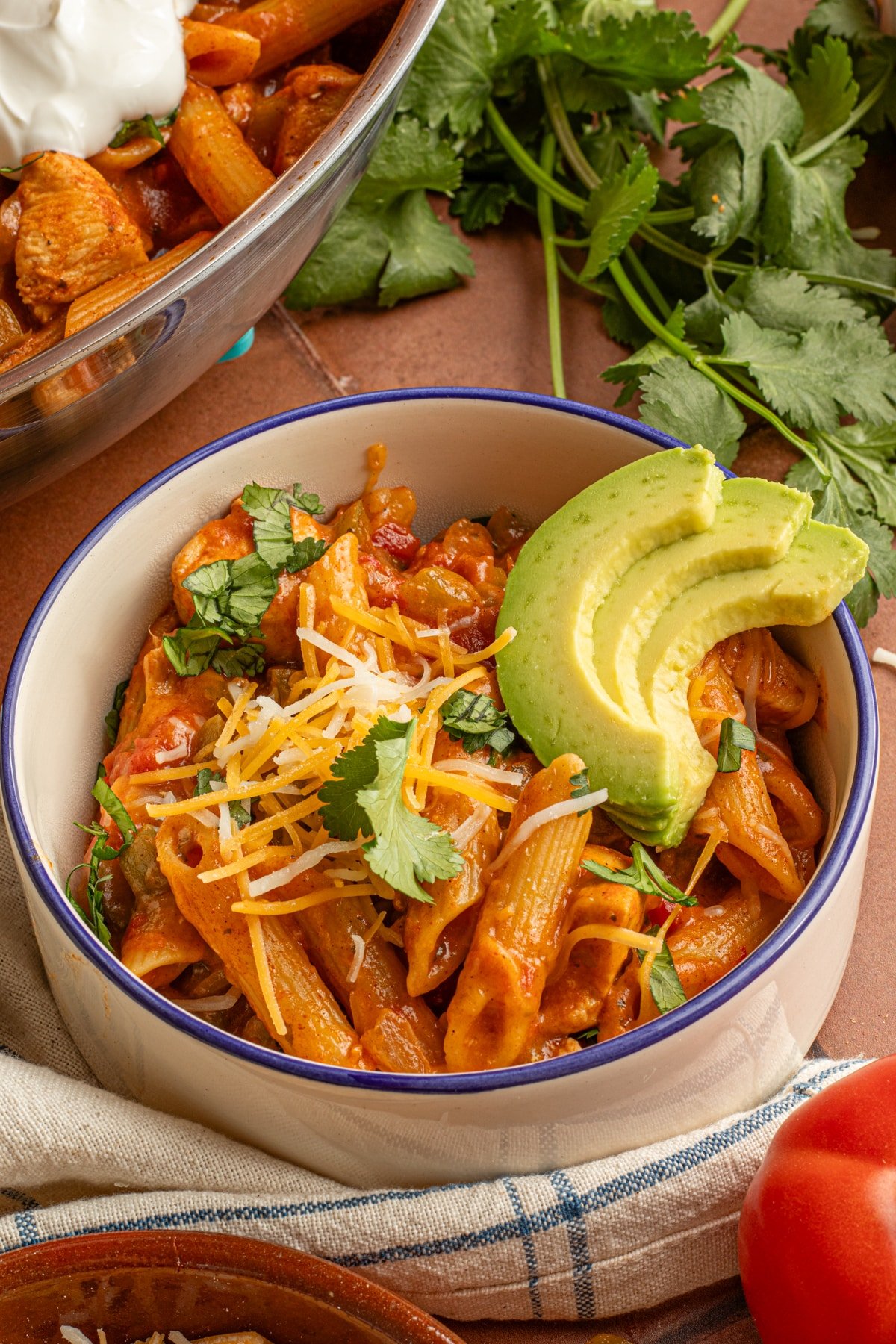
- Chicken Taco Pasta Skillet
- High Protein Mac and Cheese
- Lightened Up Marry Me Chicken Pasta
- Kale Caesar Pasta Salad with Chicken
- High Protein Pasta Salad
These recipes combine high-protein ingredients with fiber-rich vegetables for a satisfying and balanced meal. They’re great options for easy, family-friendly high-protein dinners and meal prep.
The Dietitian Bottom Line
Protein pasta can be a great choice if you’re looking to increase protein intake, add more fiber, or support specific health goals.
But traditional pasta, whole wheat pasta, and other types of pasta can all fit into a balanced diet.
Instead of focusing on finding the single healthiest pasta, aim for variety and balance. Pair your pasta with lean protein, vegetables, and healthy fats to create a satisfying meal that supports your overall health.
Because at the end of the day, pasta can absolutely remain one of your favorite comfort foods while still fitting into a healthy lifestyle.